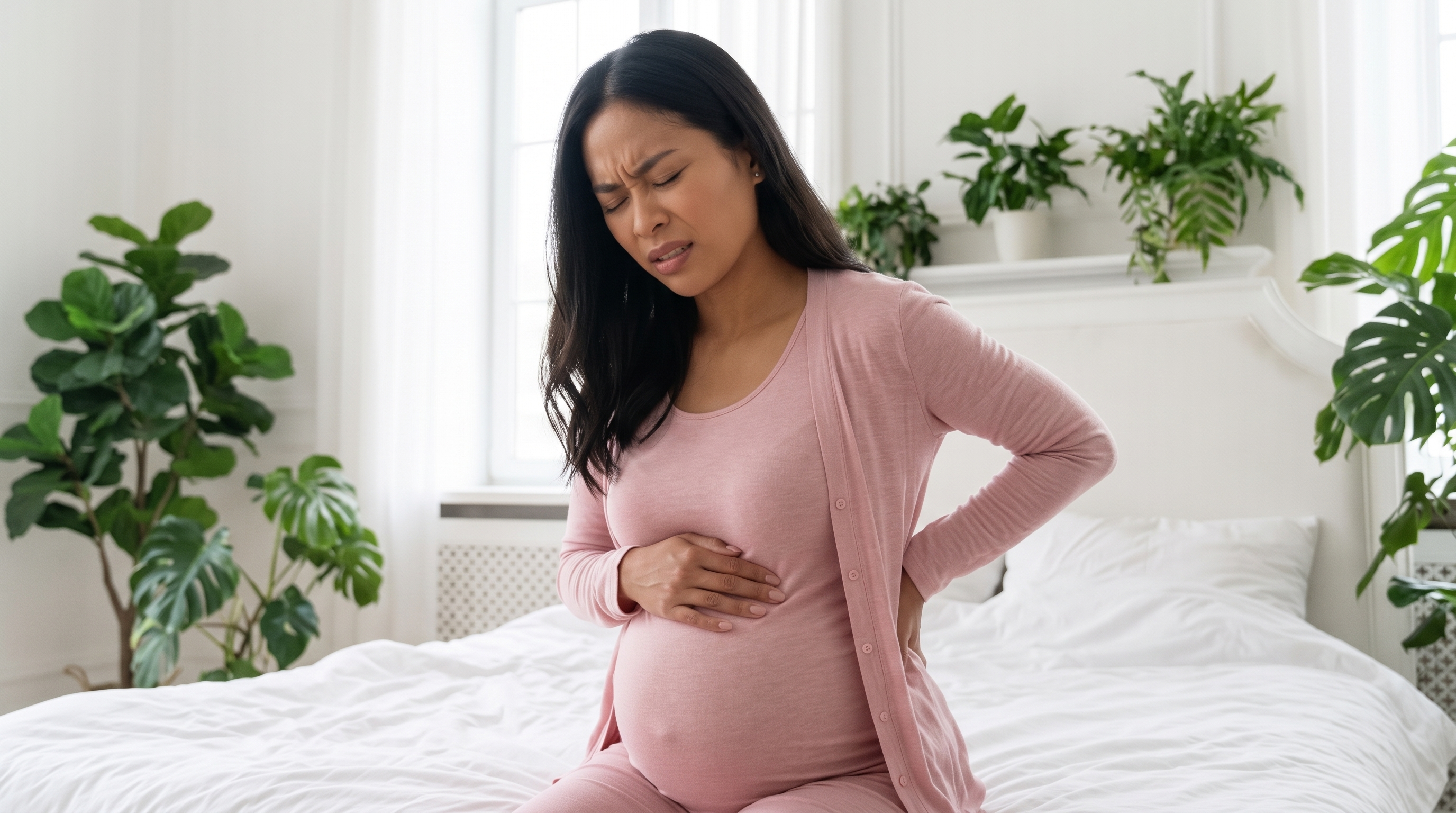
Pregnancy-related lumbopelvic pain can be functionally significant even when it occurs during an otherwise healthy pregnancy. For physical therapists, the opportunity is not simply to “treat back pain,” but to understand symptom behavior, screen for concerns that require medical follow-up, assess function, and help the patient move with greater confidence within the obstetric plan of care.
Start with differentiation, not assumptions
Low-back pain, pelvic girdle pain, and combined lumbopelvic pain can overlap, but they are not interchangeable labels. A useful PT evaluation considers pain location and behavior, aggravating tasks, functional limitations, movement strategy, load tolerance, balance, strength, and the patient’s pregnancy stage and goals. The therapist should also remain alert to symptoms that warrant communication with the obstetric team rather than assuming a musculoskeletal cause.
Exercise: promising, but prescription should be individualized

ACOG encourages aerobic and strength-conditioning exercise in uncomplicated pregnancy after appropriate clinical evaluation. Recent evidence is increasingly specific to pregnancy-related pelvic girdle pain. A 2026 meta-analysis of 11 randomized trials (810 participants) reported moderate-certainty improvements in pain and function with exercise, with supervised abdominopelvic core programs appearing promising. However, subgroup findings about frequency and duration were exploratory and heterogeneous. That argues for clinical reasoning rather than copying a fixed protocol.
A separate 2026 systematic review of physiotherapy interventions concluded that exercise may improve pain and physical function but rated the evidence as low certainty and called for better-quality research. Together, these findings support a balanced message: exercise is a meaningful tool, but certainty about the best exact program remains limited.
Think function first

For many patients, the most meaningful outcomes are practical: walking farther, tolerating work, getting through stairs, rolling in bed, caring for children, or staying active with less symptom aggravation. A plan can be built around those functional goals while respecting obstetric precautions and individual tolerance.
Where might external support fit?
Support belts and maternity support garments are among the nonpharmacologic options recognized in maternal-health guidance. Their role should be framed as adjunctive. A support device may be trialed to see whether it changes symptoms or function during a specific activity, while the therapist continues to address movement, capacity, education, and the broader plan of care. Device selection should account for comfort, fit, intended region of support, ease of adjustment, and whether the patient can use it correctly.

Patient education matters
Patients may arrive with messages from social media that either normalize all pain or promise a quick fix. PTs can help replace both extremes with clearer expectations: pregnancy-related pain is common, not every symptom is benign, movement is generally encouraged in uncomplicated pregnancy, and no belt or brace should substitute for assessment when symptoms are significant.

Coordinate care
Pregnancy care is inherently collaborative. Communication with the obstetric provider is appropriate when symptoms are severe, changing, atypical, associated with red flags, or when the therapist needs clarification about precautions. This is especially important before introducing interventions that fall outside routine exercise and education.
Evidence & References
1. ACOG, Physical Activity and Exercise During Pregnancy and the Postpartum Period. https://www.acog.org/clinical/clinical-guidance/committee-opinion/articles/2020/04/physical-activity-and-exercise-during-pregnancy-and-the-postpartum-period
2. ACOG, Back Pain During Pregnancy. Last reviewed October 2025. https://www.acog.org/womens-health/faqs/back-pain-during-pregnancy
3. Exercise prescription for pregnancy-related pelvic girdle pain: systematic review and meta-analysis (2026). https://pubmed.ncbi.nlm.nih.gov/42551620/
4. The effectiveness of physiotherapy interventions for pregnancy-related lumbopelvic pain: systematic review and meta-analysis (2026). https://pmc.ncbi.nlm.nih.gov/articles/PMC13380804/
5. WHO maternal-health recommendations (2025). https://www.ncbi.nlm.nih.gov/books/NBK615641/table/part1.tab27/


Exclusively
by PeteDME
Receive a custom brace at no cost*
Studies show bracing in combination with PT improves outcomes.