No items found.


Exclusively
by PeteDME
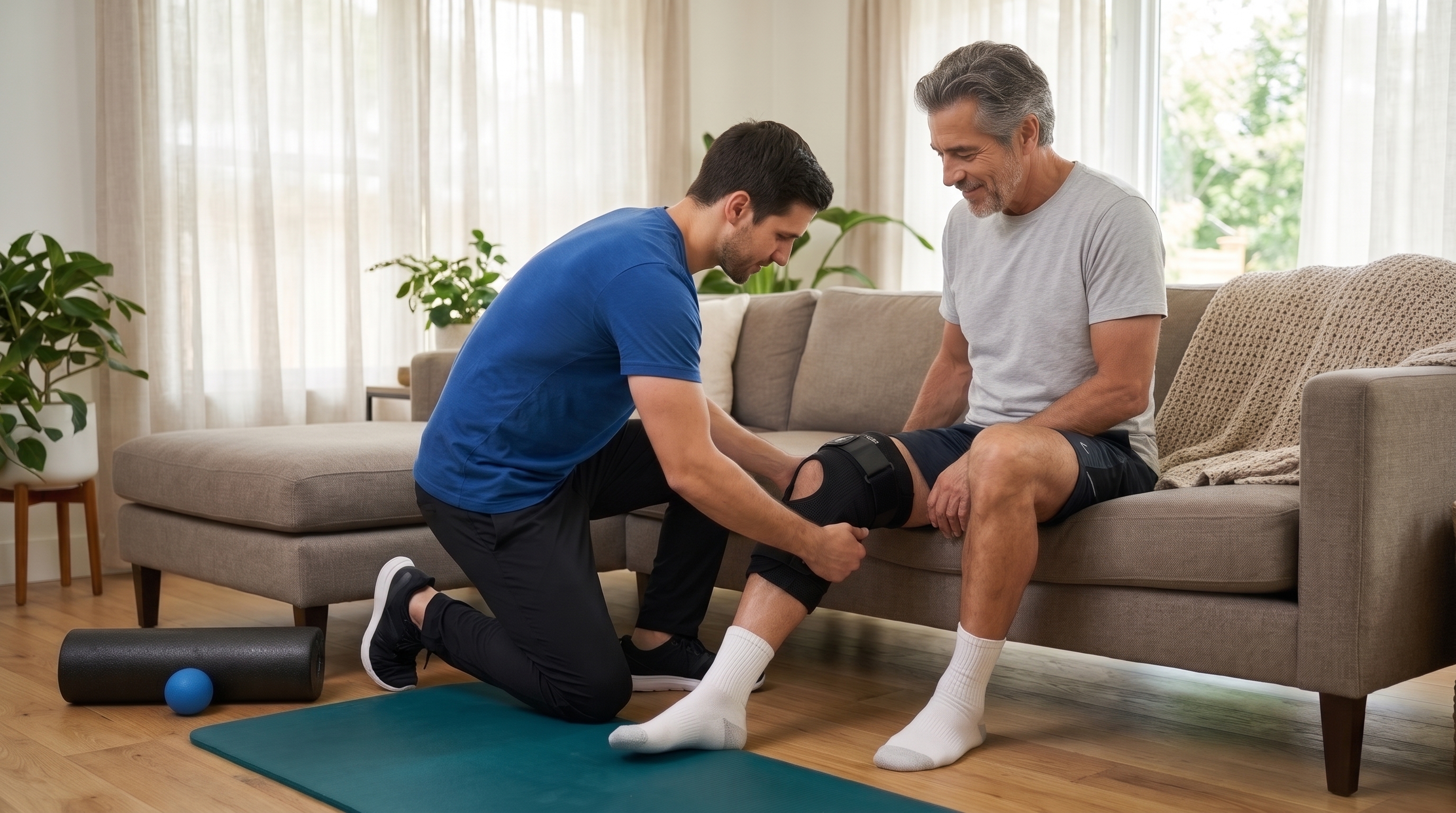
Receive a custom brace at no cost*
Studies show bracing in combination with PT improves outcomes.


A familiar Pilates studio can be more than a place where people practice strength, control and mobility. For people who need rehabilitation, it may also be a setting worth exploring for a separate physical therapy service. But the difference between a fitness experience and clinical care is not the room, the reformer, or the name of an exercise. It is the purpose of the encounter and the standards behind it.

If you teach Pilates and hold a California PT or PTA license, you have two professional lanes. Your fitness instruction can help people enjoy movement and build capacity. Your clinical work is different: it addresses a patient’s specific functional needs within a PT-directed plan. A PTA contributes treatment under PT supervision rather than independently evaluating or establishing the plan.
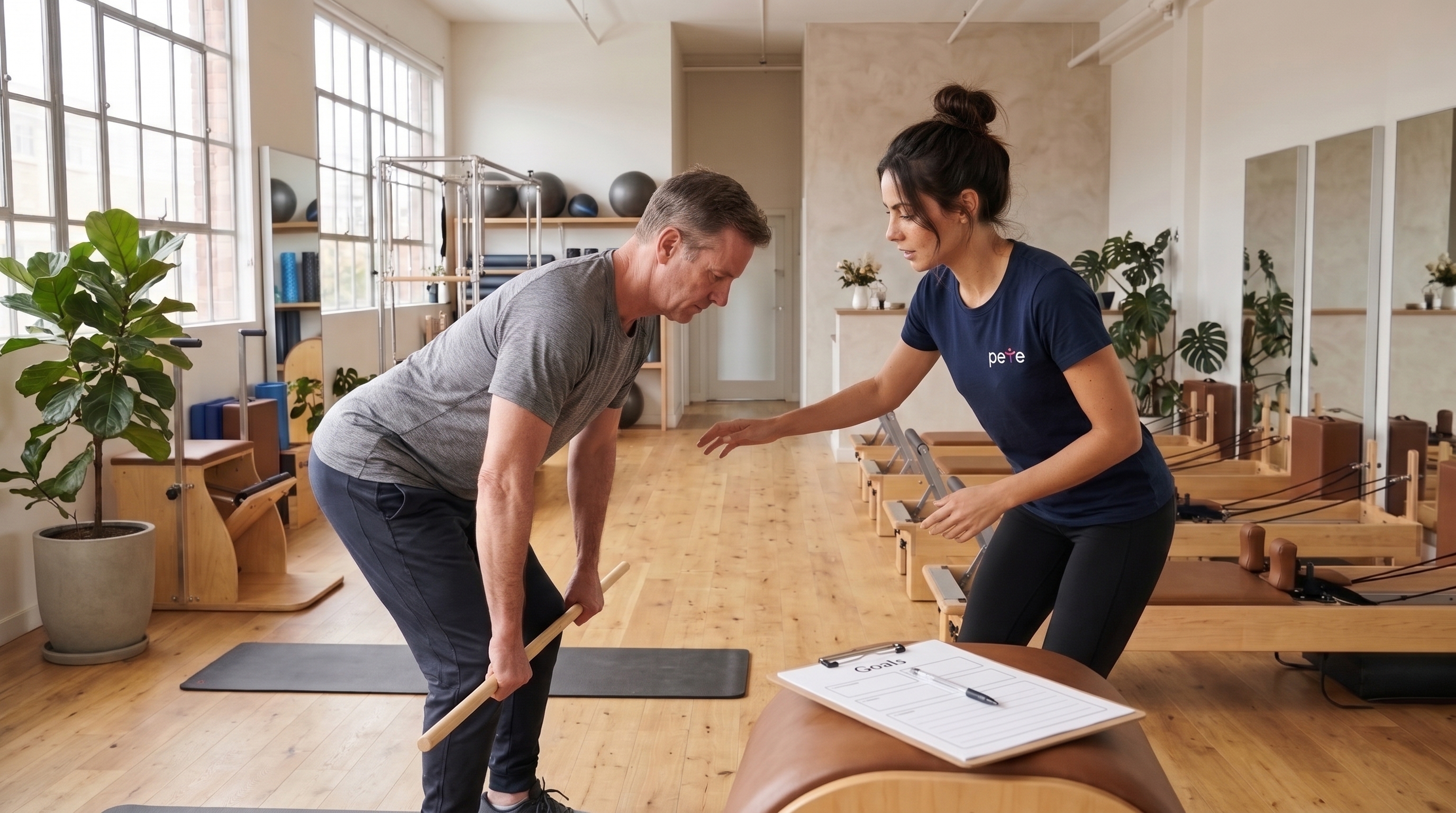
Physical therapy uses an evaluation, clinical reasoning, measurable goals, appropriate treatment, reassessment and patient records. Movement-based exercises may be among the tools selected, but their presence alone does not establish a billable service. A group class with several participants is not automatically transformed into individual physical therapy because a therapist is present.
For example, two people might perform a controlled hip-hinge movement. One is practicing in a general Pilates class for fitness. The other might be completing a prescribed therapeutic activity linked to a documented functional goal after a PT evaluation. Similar movement does not mean identical service, and each encounter must stand on its own.

A licensed PT or PTA can start by mapping the clinical role they want to perform. That includes confirming license status, scope, supervision arrangements, patient evaluation and documentation workflow, and which settings and plans are eligible. The PT remains responsible for evaluation and the plan of care; the PTA treats within delegated and supervised responsibilities.
PeteHealth describes assistance with credentialing, intake, benefits verification, documentation tools, billing and collections. These administrative services may reduce operational friction, but they do not replace clinician judgment or establish that any particular visit will be paid.

Commercial coverage is plan-specific. A patient’s diagnosis or pain complaint alone does not guarantee reimbursement. Medical necessity, covered benefits, network participation, referral or prescription rules where applicable, authorized setting, coding, documentation and payer policies all matter. Patients may still owe deductibles, copays or coinsurance. Benefits should be checked before care, with clear explanations of uncertainty.
You can keep teaching Pilates while exploring separate, appropriately organized physical therapy opportunities. If you are a California-licensed PT or PTA, learn about PeteHealth’s clinician program and review eligibility before applying.
Receive a custom brace at no cost*
Studies show bracing in combination with PT improves outcomes.